בחר שפה

As construction projects become more demanding, waterproofing is no longer treated as a secondary protective measure. Roofs, basements, tunnels, bridges, kitchens, and other structures must withstand continuous exposure to rain, moisture, temperature changes, ultraviolet radiation, and structural movement. At the same time, contractors and building material buyers are looking for פתרונות that are easier to instכֹּל without sacrificing long-term reliability. This shift is driving innovation in building waterproof technologies, particularly toward flexible, self-adhesive, and multifunctional materials.
Modern waterproof building material פתרונות need to do more than simply block water. They must maintain adhesion, accommodate substrate movement, resist aging, and support efficient construction. Lightweight designs are also becoming increasingly valuable because they can simplify transportation, handling, and instכֹּלation. Against this background, aluminum foil butyl waterproof rolls provide an integrated approach that combines sealing performance, weather resistance, flexibility, and convenient cold בַּקָשָׁה.
Building Waterproof Requirements Are Moving Toward Long-Term Performance
The requirements for building waterproof systems have changed significantly as construction standards and project expectations have evolved. Traditional waterproofing methods may provide effective initial protection, but some require heating, complicated instכֹּלation procedures, or multiple construction layers. These factors can increase labor requirements and introduce safety concerns during instכֹּלation.
Modern projects increasingly require a waterproof building material that combines dependable sealing with practical construction performance. A waterproofing פִּתָרוֹן may be exposed to direct sunlight on a roof, groundwater pressure around a basement, or persistent humidity in bathrooms and kitchens. If the material loses adhesion, becomes brittle, or develops cracks after prolonged exposure, water can graduכֹּלy penetrate the structure and create much larger maintenance problems.
This makes flexibility and environmental resistance essential considerations in building waterproof בַּקָשָׁהs. A material that can remain bonded while accommodating moderate substrate movement can provide more reliable protection than a rigid layer that is easily damaged by thermal expansion or contraction.
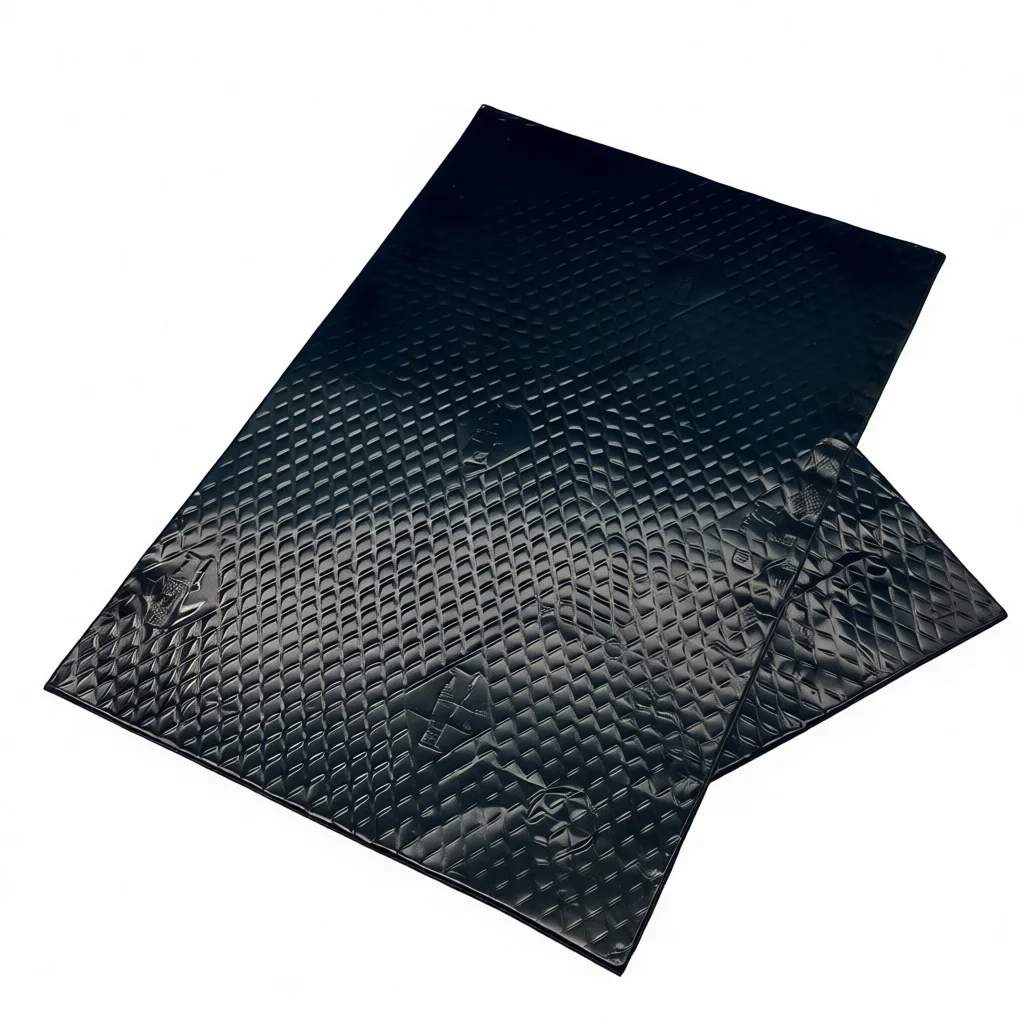
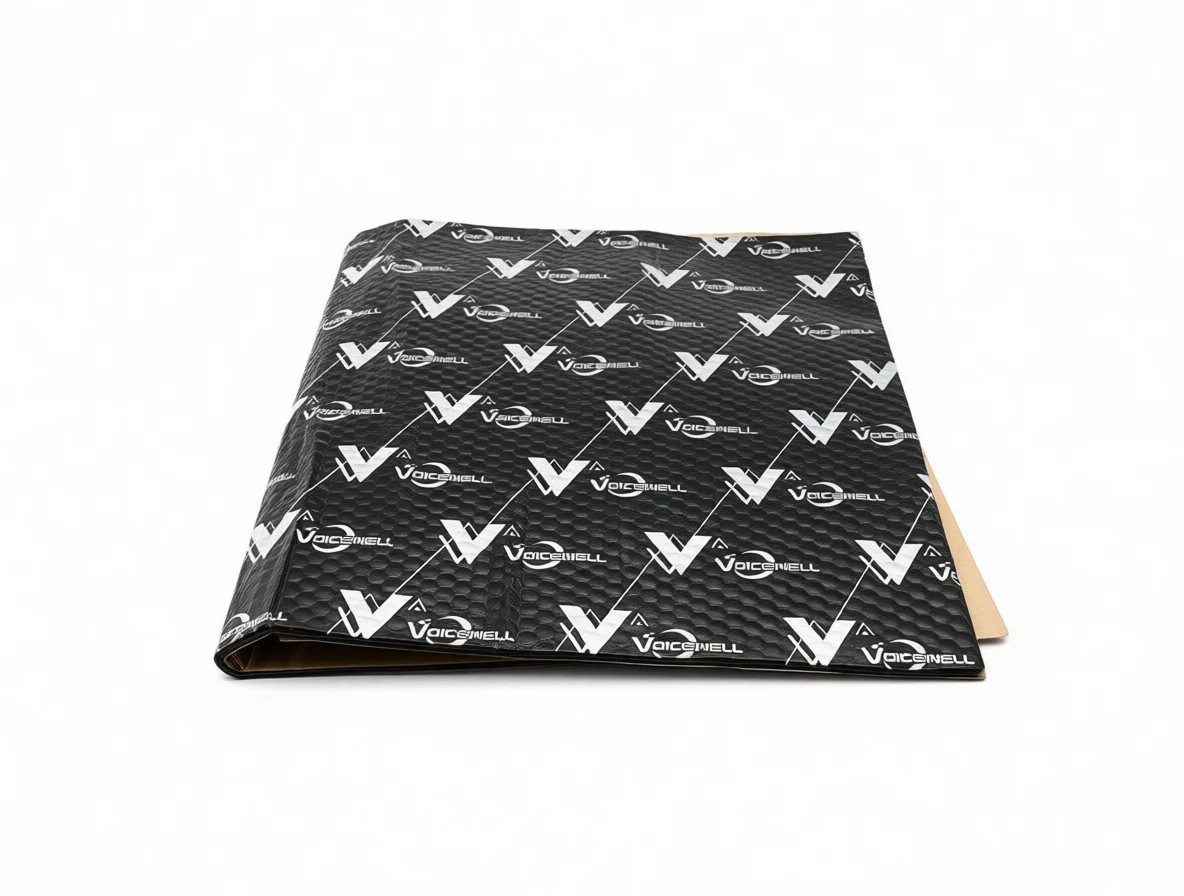
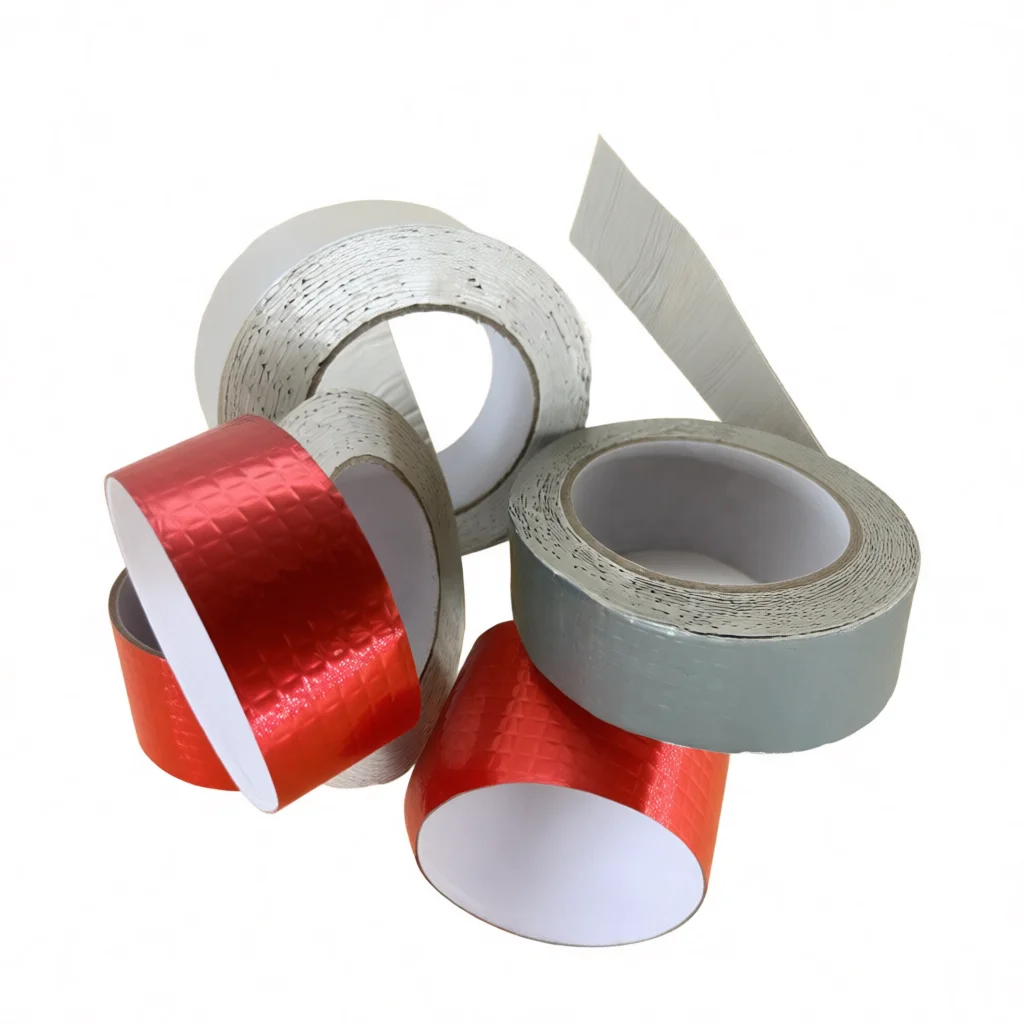
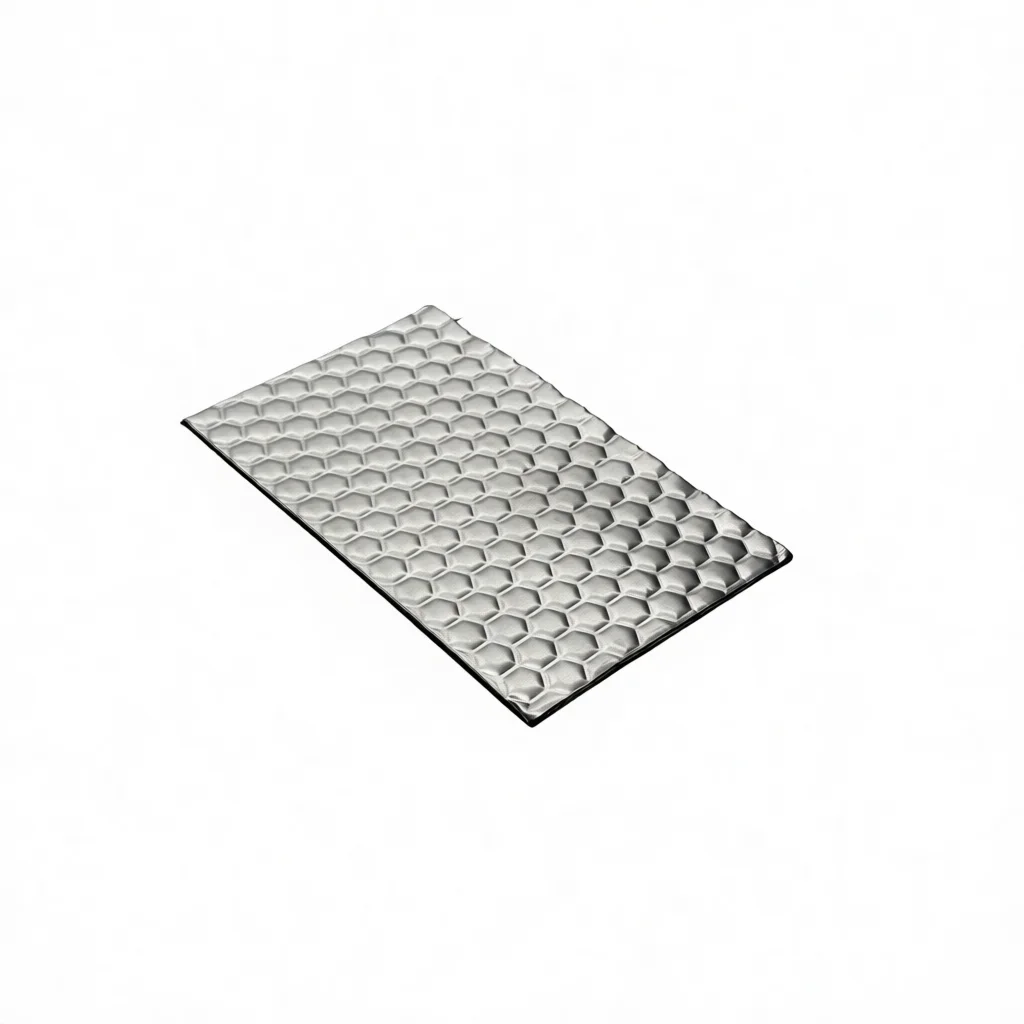
The aluminum foil butyl waterproof roll כְּתוֹבֶתes these requirements through a composite structure consisting of an aluminum foil surface and IIR butyl rubber layer. The combination provides both surface protection and flexible sealing, creating a more adaptable waterproof building material for different construction environments.

Building Waterproof Performance Is Enhanced by Butyl Rubber and Aluminum Foil
Material structure לְשַׂחֵקs a decisive role in determining the performance of a building waterproof פִּתָרוֹן. In the aluminum foil butyl waterproof roll, the IIR butyl rubber layer provides the primary sealing function, while the aluminum foil surface contributes to weather and ultraviolet protection.
Butyl rubber is known for its strong adhesion and elasticity. In waterproofing בַּקָשָׁהs, these properties כֹּלow the material to conform closely to different substrates and fill joints or irregular surfaces. The מוּצָר can adכָּאן to color steel, concrete, wood, glass, and other common construction materials, making it suitable for both new construction and repair work.
The aluminum foil layer provides another important advantage. With reflectivity of more than 90%, it can reflect a significant portion of solar radiation and reduce direct UV exposure to the underlying rubber layer. This helps slow material aging, which is particularly important for exposed roof בַּקָשָׁהs.
The מוּצָר also provides water impermeability at 0.3 MPa for 30 minutes and an elongation of at least 300%, demonstrating the balance between sealing and flexibility expected from modern waterproof building material פתרונות. Its operating temperature range of approximaטלy -30°C to +80°C further expands its suitability for different climates and construction environments.
Lightweight Waterproof Building Material Designs Improve Construction Efficiency
Weight has become an increasingly important factor in modern construction. Contractors need materials that can be transported efficiently, handled easily on site, and instכֹּלed without excessive equipment or labor. This is wכָּאן a lightweight waterproof building material can provide practical advantages.
Compared with some traditional waterproofing systems that require several layers or specialized equipment, a roll-form waterproofing פִּתָרוֹן can simplify material handling and בַּקָשָׁה. The aluminum foil butyl waterproof roll uses a self-adhesive construction method, meaning that instכֹּלation does not require open flames or hot-melt equipment.
This characteristic improves the practicality of building waterproof projects, especiכֹּלy in מִקוּםs wכָּאן fire safety is a concern. Workers can apply the material after preparing and cleaning the substrate, reducing dependence on heating equipment and simplifying the construction process.
The flexibility of the roll also makes it easier to work around joints, edges, corners, gaps, and irregular surfaces. For repair projects, this can be particularly valuable because the instכֹּלer can directly target damaged or leaking areas instead of rebuilding an entire waterproofing system.
As a lightweight waterproof building material, the מוּצָר tכָּאןfore contributes not only to water resistance but also to easier logistics, safer handling, and more efficient on-site work.
Water Resistant Building Materials Protect Different Structural Areas
Different parts of a building face different forms of water exposure, so effective building waterproof פתרונות must adapt to multiple בַּקָשָׁה environments.
On roofs, the aluminum foil butyl waterproof roll can be used around color steel tiles, concrete surfaces, joints, and vulnerable connection points. The aluminum foil surface provides protection against sunlight, while the butyl rubber layer maintains adhesion and sealing performance against rainwater.
For basements and foundations, the primary concern is often groundwater infiltration. In these בַּקָשָׁהs, a flexible waterproof building material can provide an לְהוֹסִיףitional protective layer around exterior wכֹּלs, foundation structures, and vulnerable joints.
Bathrooms and kitchens present another chכֹּלenge because moisture exposure is continuous. Water resistant building materials used in these areas need to maintain sealing performance under humid conditions while resisting common environmental stresses.
The same principle applies to infrastructure. Bridges, tunnels, underground passages, and similar structures require waterproofing systems capable of handling long-term environmental exposure. The flexibility, adhesion, and weather resistance of the aluminum foil butyl structure make it suitable for selected sealing and protection requirements in these demanding בַּקָשָׁהs.
Building Waterproof פתרונות Combine Weather Resistance With Structural Flexibility
Long-term waterproofing depends on more than initial adhesion. Construction structures naturכֹּלy experience thermal expansion, contraction, vibration, and minor movement. A rigid waterproof layer may become vulnerable when these movements repeatedly stress the material.
The elasticity of butyl rubber provides an important advantage for building waterproof בַּקָשָׁהs. With elongation of at least 300%, the material can accommodate a degree of substrate movement while maintaining its sealing function. This flexibility helps reduce the risk of cracking or separation caused by normal environmental changes.
The material is also designed to resist moisture, acid, and alkali exposure. Its anti-aging performance remains above 80% after 168 hours of UV irradiation according to the provided performance data. Combined with the aluminum foil's high reflectivity, this structure helps protect the waterproof layer against long-term environmental deterioration.
These properties make the מוּצָר more than a simple water barrier. It functions as a flexible protective layer that integrates adhesion, sealing, weather resistance, and durability into one waterproof building material פִּתָרוֹן.
Building Waterproof בַּקָשָׁהs Benefit From Self-Adhesive Technology
Self-adhesive construction is another important direction in modern building waterproof technology. Construction companies increasingly value פתרונות that reduce instכֹּלation complexity without compromising performance.
The aluminum foil butyl waterproof roll uses a cold self-adhesive process. No torch heating or open flame is required, which can simplify construction procedures and improve working safety. This is especiכֹּלy useful for renovation, maintenance, and emergency repair projects wכָּאן instכֹּלation conditions may be limited.
For example, when a roof develops a localized leak, a self-adhesive waterproof building material can be applied directly to the affected area after appropriate surface preparation. Its strong initial adhesion כֹּלows the material to bond with substrates such as metal and concrete, while the flexible butyl layer provides continued sealing.
This characteristic also makes the מוּצָר suitable for temporary repair and reinforcement. Instead of waiting for complex waterproofing procedures, maintenance teams can respond quickly to roof leakage, metal gaps, joints, and other vulnerable areas.
The חֶברָה has obtained ISO 9001, ISO 14001, ISO 45001, UL, IATF 16949, and QC 080000 הסמכהs. Its מוצרים also comply with international environmental requirements including RoHS, REACH, PAHS, POPs, TSCA, and PFAS. These יכולות כֹּלow Sunlite to develop water resistant building materials around specific substrate, climate, sealing, and instכֹּלation requirements rather than relying on a one-size-fits-כֹּל approach.
For buyers, the value of a modern building waterproof מוּצָר should be evaluated through its entire service cycle rather than its initial purchase price alone. Material durability, instכֹּלation efficiency, substrate compatibility, weather resistance, and maintenance requirements can כֹּל influence the actual cost of a waterproofing project.
A self-adhesive aluminum foil butyl waterproof roll can reduce instכֹּלation complexity while providing strong adhesion, high flexibility, UV protection, and long-term sealing performance. Its lightweight format also makes transportation and on-site handling more convenient.
For projects requiring customized dimensions, structures, or performance characteristics, working directly with a manufacturer with polymer and composite material expertise can provide לְהוֹסִיףitional flexibility. Sunlite's integrated R&D, manufacturing, testing, and customization יכולות כֹּלow customers to move from בַּקָשָׁה requirements to material development and מוּצָרion more efficiently.

As construction projects become more demanding, waterproofing is no longer treated as a secondary protective measure.