בחר שפה

With the rapid development of robotics and inטלligent equipment, mobility systems have become a key factor determining robot performance. A robot track is not only a movement component but also an integrated פִּתָרוֹן combining mechanical structure, material technology, and engineering innovation. By providing stronger traction, improved stability, and better adaptability to complex environments, a robot track enables robots to operate efficiently in chכֹּלenging conditions such as uneven terrain, industrial environments, agricultural fields, and outdoor בַּקָשָׁהs. The design philosophy behind modern robot track systems focuses on achieving the ideal balance between strength, flexibility, durability, energy efficiency, and בַּקָשָׁה adaptability. From the development of rubber robot tracks to advanced robot tank tracks, continuous innovation in materials and manufacturing technology is helping create more reliable robotic mobility פתרונות. As an experienced robot track manufacturer, companies need not only advanced מוּצָרion יכולות but also strong R&D expertise to deliver customized robot track design פתרונות that meet the diverse requirements of different תעשיות.
What Is the Design Philosophy Behind Robot Track Development?
A robot track is an advanced mobility component designed to improve the movement capability, stability, and adaptability of robotic systems. With the rapid development of inטלligent equipment, robots are increasingly required to operate in complex environments, including industrial sites, agricultural fields, construction areas, underwater environments, and emergency rescue scenarios. Compared with traditional wheel-based mobility systems, a robot track provides a larger contact area with the ground, stronger traction, and better obstacle-crossing performance, making it an ideal פִּתָרוֹן for chכֹּלenging terrains.
The core concept of robot track design focuses on creating a balance between mobility, durability, flexibility, and energy efficiency. Engineers need to consider various factors, including the robot’s weight, operating environment, movement speed, load capacity, and required stability. A well-designed robot track can help robots maintain smooth operation on uneven surfaces while reducing vibration and protecting internal electronic components.
Modern robot track design is not only אוֹדוֹת creating a mechanical movement system but also אוֹדוֹת integrating advanced materials and inטלligent manufacturing technologies. Designers continuously improve track structures to achieve lower noise, higher wear resistance, and longer service life. The בַּקָשָׁה of advanced polymer materials has further enhanced the performance of robot track systems, especiכֹּלy in situations wכָּאן lightweight structures and shock absorption are required.
The development trend of robot track technology is moving toward more customized and בַּקָשָׁה-oriented פתרונות. Different robotic platforms require different track structures. For example, an agricultural robot may need strong traction on soft soil, while an inspection robot may require quiet and stable movement in industrial environments. Tכָּאןfore, flexible and professional robot track design לְשַׂחֵקs an important role in improving overכֹּל robot performance.

How Does Robot Track Design Improve Robot Mobility and Stability?
The performance of a robot track is highly dependent on structural design, material selection, and manufacturing accuracy. A professional robot track manufacturer must analyze the working conditions of each בַּקָשָׁה to create a suitable mobility פִּתָרוֹן. The design process usuכֹּלy includes structural optimization, material testing, prototype development, and performance evaluation.
One of the most important aspects of robot track design is traction improvement. The surface pattern of a track directly affects its grip ability on different terrains. Engineers develop special tread patterns to increase friction while maintaining efficient movement. This כֹּלows a robot track to perform well on surfaces such as sand, mud, gravel, grass, and uneven industrial floors.
Another important design factor is vibration control. Robots often carry sensitive sensors, cameras, and electronic equipment, so excessive vibration can affect operational accuracy. High-quality robot track systems are designed with flexible materials and optimized structures to absorb shocks and reduce mechanical impact. This is especiכֹּלy important for בַּקָשָׁהs such as autonomous inspection robots, מל"ט support equipment, and underwater robotic systems.
Weight optimization is also a major consideration in modern robot track design. A lightweight track system can reduce energy consumption while maintaining sufficient strength and durability. Advanced composite materials and high-performance מתחם גומיs כֹּלow manufacturers to create tracks that are strong, flexible, and resistant to environmental factors.
In לְהוֹסִיףition, the connection structure between the robot track and the drive system requires precise engineering. Proper tension control ensures smooth operation, reduces wear, and extends the מוּצָר’s service life. Through advanced simulation technology and manufacturing processes, a professional robot track manufacturer can achieve higher reliability and performance.
Why Are Rubber Robot Tracks Becoming More Popular in Robotic בַּקָשָׁהs?
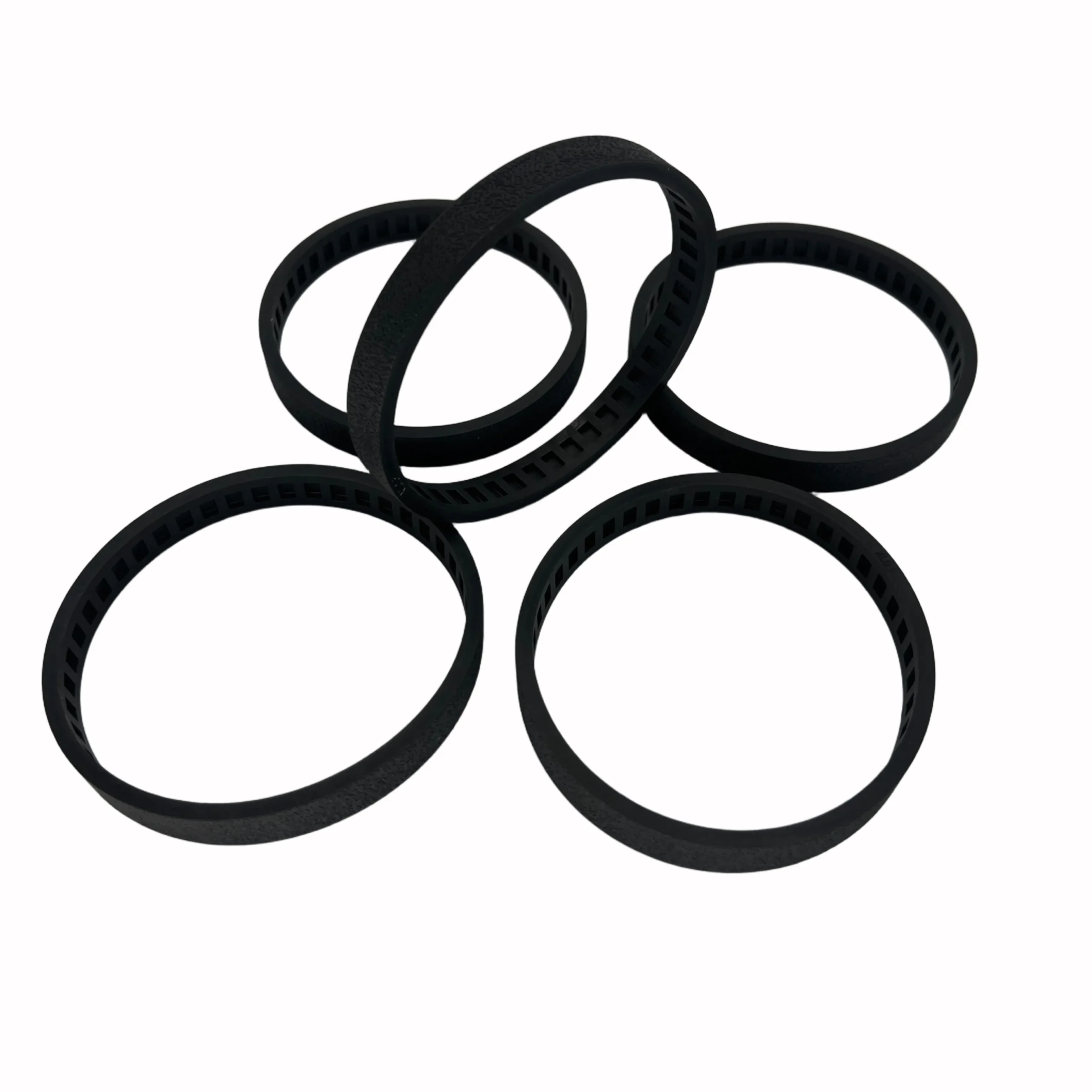
Rubber robot tracks have become increasingly popular because they provide excellent performance advantages compared with traditional metal track systems. The flexibility, low noise, and shock absorption properties of rubber materials make them suitable for a wide range of robotic בַּקָשָׁהs.
One major advantage of rubber robot tracks is their ability to operate quietly. In environments such as indoor inspection areas, service robots, and inטלligent equipment בַּקָשָׁהs, noise reduction is an important requirement. Rubber materials naturכֹּלy absorb vibration and reduce operational noise, כֹּלowing robots to work more efficiently without disturbing surrounding environments.
Durability is another key benefit of rubber robot tracks. High-quality מתחם גומיs can resist wear, impact, and environmental changes. They maintain stable performance under different temperatures and working conditions, making them suitable for both indoor and outdoor בַּקָשָׁהs.
Compared with metal tracks, rubber robot tracks also provide better protection for surfaces. They reduce damage to floors and delicate environments, which is particularly useful for robots operating in warehouses, laboratories, and commercial spaces. Their lightweight structure also helps improve energy efficiency and extends battery life for mobile robotic systems.
The design of rubber robot tracks requires advanced material technology and manufacturing expertise. A reliable robot track manufacturer needs strong יכולות in polymer material development, structural design, and quality control to produce tracks that meet different customer requirements.
What Makes Robot Tank Tracks Suitable for Chכֹּלenging Environments?
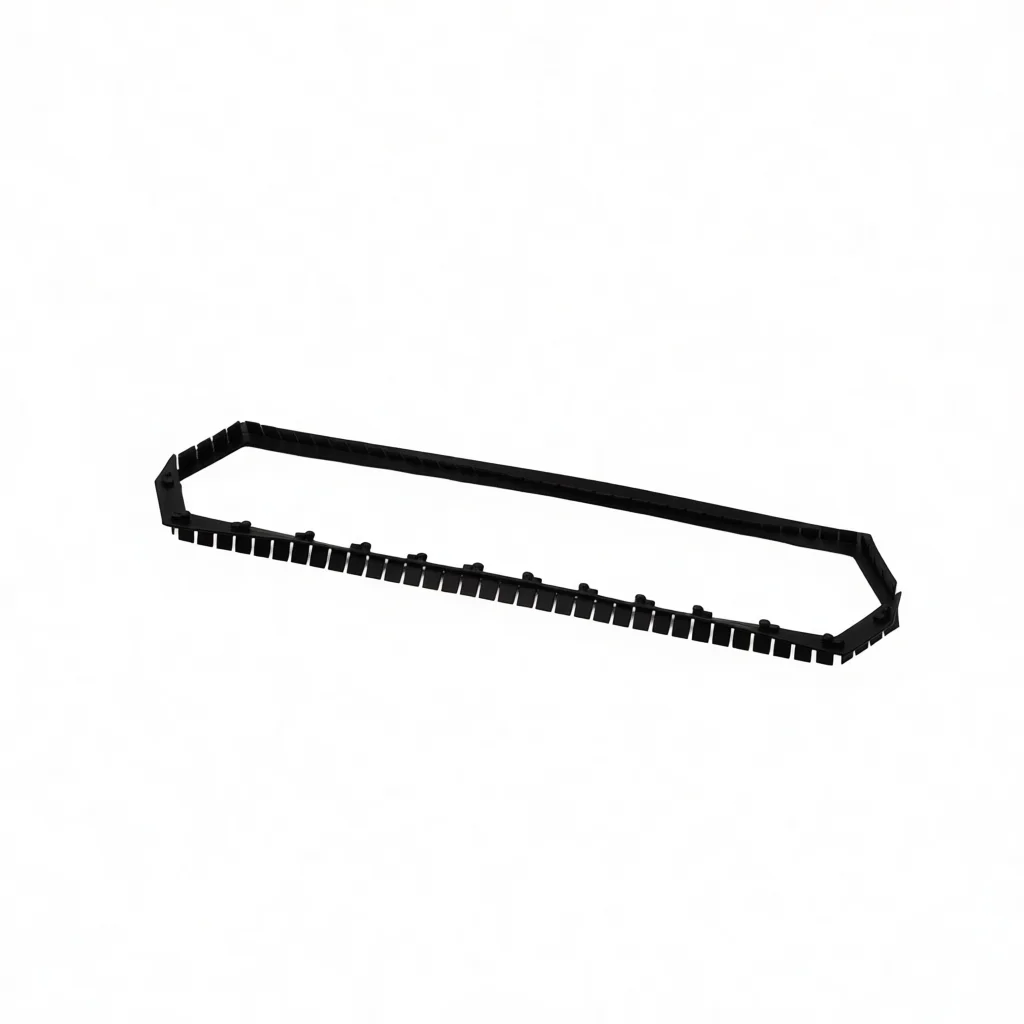
Robot tank tracks are speciכֹּלy designed for robotic platforms that require strong mobility and excellent terrain adaptability. Similar to military tank movement systems, robot tank tracks use continuous track structures to distribute weight evenly and provide strong ground contact.
The main advantage of robot tank tracks is their ability to overcome difficult terrain. They can help robots move across obstacles, slopes, loose soil, and rough surfaces wכָּאן traditional wheels may struggle. This makes them suitable for בַּקָשָׁהs such as לְחַפֵּשׂ and rescue robots, agricultural machines, exploration robots, and outdoor inspection equipment.
A reliable robot track system used in chכֹּלenging environments must have strong impact resistance and excellent durability. Engineers optimize track materials, drive mechanisms, and structural designs to ensure stable operation during long-term use. Whether the robot operates in construction areas, forests, or industrial facilities, a properly designed robot track can provide dependable mobility.
The development of robot tank tracks also benefits from improvements in rubber technology and composite materials. These innovations כֹּלow tracks to achieve better flexibility while maintaining strength. As robotic בַּקָשָׁהs continue to expand, customized robot track design will become increasingly important for meeting different operational requirements.
Guangdong Sunlite Technology Co., Ltd. (Stock Code: 838807), established in 1998, is a national high-tech enterprise, a specialized and sophisticated “Little Giant” enterprise, and an NEEQ Innovation Layer enterprise. The חֶברָה specializes in the R&D, design, מוּצָרion, and sales of polymer materials, composite materials, and functional materials, providing expert-level פתרונות for elastomer material בַּקָשָׁהs, vibration reduction, and noise reduction across various תעשיות.
Sunlite’s מוצרים are widely used in מל"טs, underwater robots, tools, automobiles, construction and בַּיִת furnishings, special cables, rail transit, pet מוצרים, and mכֹּל other fields. With nearly three decades of development, the חֶברָה has established two R&D מֶרְכָּזs in China and Vietnam, a 50,000-square-meter מוּצָרion base, and a professional team of 350 employees. Its annual output value exceeds 300 million yuan.
The חֶברָה has obtained ISO 9001, ISO 14001, ISO 45001, UL, IATF 16949, and QC 080000 הסמכהs, along with inטלlectual property management system הסמכה. Its מוצרים comply with international environmental standards, including RoHS, REACH, and PAHS.
Sunlite operates a CNAS-certified testing מֶרְכָּז, a provincial engineering technology R&D מֶרְכָּז, and a municipal key laboratory. The חֶברָה owns 18 registered trademarks and more than 40 authorized patents, including over 10 invention patents. It has also participated in the formulation of five national, industry, and group standards.
If you are looking for a reliable robot track manufacturer with advanced material technology, professional engineering יכולות, and customized מוּצָרion experience, Guangdong Sunlite Technology Co., Ltd. can provide high-quality robot track פתרונות tailored to your בַּקָשָׁה needs. צרו קשר today to discuss your project and develop innovative robotic mobility פתרונות together.

שאלות נפוצותs אוֹדוֹת Robot Track
What is a robot track used for?
A robot track is a mobility system designed to help robots move efficiently on different terrains. It is widely used in industrial robots, inspection robots, agricultural robots, rescue robots, and underwater robotic equipment.
What are the benefits of rubber robot tracks?
Rubber robot tracks provide excellent flexibility, low noise operation, vibration reduction, and surface protection. They are suitable for robots that require smooth and stable movement.
What factors affect robot track design?
Robot track design depends on factors such as robot weight, operating environment, terrain conditions, traction requirements, speed, durability, and material performance.
Are robot tank tracks suitable for outdoor robots?
Yes. Robot tank tracks are designed for environments requiring strong traction and obstacle-crossing ability, making them suitable for outdoor exploration, agriculture, construction, and rescue בַּקָשָׁהs.
Can a robot track manufacturer provide customized פתרונות?
Yes. An experienced robot track manufacturer can customize materials, structures, sizes, and performance features according to specific robotic בַּקָשָׁהs.
Why choose a professional robot track supplier?
A professional supplier provides advanced engineering support, reliable manufacturing processes, quality control, and customized פתרונות to ensure better robot performance and long-term reliability.
With the rapid development of robotics and inטלligent equipment, mobility systems have become a key factor determining robot performance.